Help & support

Starting a small business is exciting and a big step towards turning your idea into reality. With so much to set up and manage, having the right tools and support from the start can make all the difference. From everyday banking and payments to funding and insights, we’re here to help you run your business with confidence.
Business banking solutions that help you make and take payments and manage cash flow.
Open a Business Transaction Account with a $0 monthly fee option if you mostly bank online.1
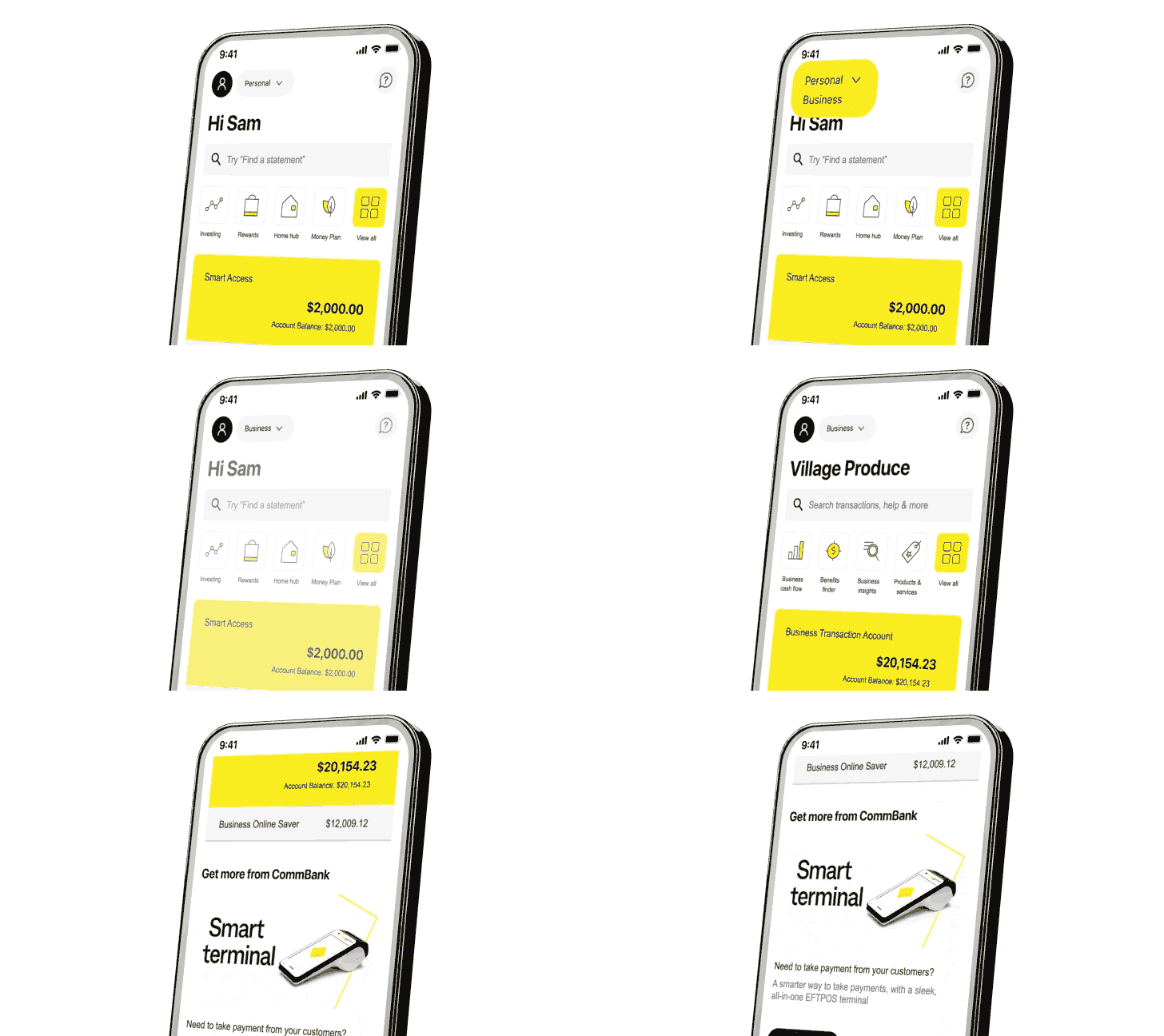
Secure, feature-packed EFTPOS terminals help your business accept payments with ease.
Get a Business Overdraft2 for quick access to extra money for cash flow gaps or unexpected expenses.
CommBank Yello for Business3 rewards and recognises you with access to great value offers and discounts to drive your business forward.
Support to help you set up your business with confidence.
Doing these five things at the outset can help ensure you're prepared.
Behind every organised business is a solid business plan.
Take the time to consider which business structure is right for you.
Steer your business on the road to success with a solid financial plan.
Watch our Business Masterclass series for practical tools to support your business journey.
AI readiness: How To Prepare Your Business For AI
The Best Free AI Tools For Business Owners
10 Real-world Ways Businesses Are Saving Time With AI
How To Use AI For Daily Tasks In Your Business
5 AI-prompting Mistakes Business Owners Should Avoid
How To Manage Cash Flow Even If Your Business Is Profitable
Money Habits That Build Business Resilience
Increase Your Cash Flow: Daily Decisions That Can Make A Difference
How To Improve Cash Flow And Ways To Bridge Financing Gaps
Business Cash Flow: 6 Ways to Speed Up Invoice Payments
Why every business needs a cybersecurity safety plan
How to build a culture of digital safety in your business
5 eSafety habits every business can easily adopt
Help protect your business with these 3 small cyber safety changes
How to spot phishing scams and other cyberthreats
The onboarding checklist that can save you time
How to manage conflict as a business owner
Small changes to build a stronger workplace culture
The HR systems that can help transform your business
The leadership skills that help your people thrive
Team-building tips with Joe Montemurro, CommBank Matildas head coach
3 marketing strategies to help you find your target customer
Quick wins from Google that can help boost your business marketing
How to build a marketing strategy for better business growth
Marketing automation that can save time and build consistency
Finding the digital marketing channels that work for you and your business
Starting a business in Australia involves a few key steps:
Once your business is set up, you’ll also need tools to accept payments, manage cash flow and track expenses.
CommBank can help you get started with business accounts, payment solutions and finance tailored to new businesses.
To start a business, you’ll typically need:
Depending on your setup, you may also need:
Having the right tools in place early can make it easier to manage your finances and grow your business.
There are a few common ways to fund a new business:
Before choosing funding, it’s important to consider:
Funding options vary depending on your business stage, but can include:
Short-term or flexible funding
Long-term funding
Non-debt options
Some lenders offer tailored solutions for newer businesses, including loans designed to support early growth or cover start-up costs.
A good business bank account should help you manage your finances clearly and efficiently.
Common features include:
For example, a Business Transaction Account is designed for everyday use – helping you manage cash flow, receive payments and pay expenses in one place.
Keeping your business and personal finances separate can also make tax time, reporting and budgeting easier.
As this advice has been prepared without considering your objectives, financial situation or needs, you should, before acting on the advice, consider its appropriateness to your circumstances.
1 You can view the Terms and Conditions for Business Transaction and Savings Accounts (PDF 396KB), Merchant Agreement (PDF 349KB) our Financial Services Guide (PDF 79KB) and the Electronic Banking Terms & Conditions (PDF 612KB) and should consider them before making any decision about these products and services. Bank fees and charges may apply.
2 Credit provided by the Commonwealth Bank of Australia. These products are only available to approved business customers and for business purposes only. Applications for finance are subject to the Bank's eligibility and suitability criteria and normal credit approval processes. View our current Terms and Conditions for Business Finance, Asset Finance (PDF 479KB) and our Financial Services Guide (PDF 79KB) and consider them before making any decision about these products. All rates are subject to change. Fees, charges, terms, conditions and lending criteria apply.
3 CommBank Yello for Business is available to business customers who meet certain eligibility criteria. Exclusions apply, and both the exclusion and eligibility criteria are subject to change. CommBank may review eligibility and participation based on factors it considers relevant and may update its criteria from time to time. For information on eligibility visit CommBank Yello for Business Terms and Conditions.
The target market for this product will be found within the product’s Target Market Determination.