The Australian dollar finally snapped a four-year losing streak against the greenback in 2025 and might rise further in the new year.
The nation's currency has been trending lower since 2021 largely because China's escalating property crisis has weighed on demand for steel and the iron ore that provides more than $100 billion a year in Australian export income.
Its value against the US dollar slipped from 80 US cents in February that year and steadily kept grinding lower.
Then, after sudden and sweeping US tariff announcements sparked major uncertainty and took a hammer to global growth hopes, it crumbled in April to a five-year low of 59.22 US cents.
"The Aussie typically does well against most currencies when the world economy is in a cyclical upswing," Commonwealth Bank head of FX International and Geo Economics Joseph Capurso said.
"And you've seen that at a very extreme level this past year, with the Aussie dollar against the Japanese yen and Aussie-Euro, and the Aussie-Sterling up a bit as well."
Good news for importers
A stronger currency is good news for local companies that re-sell imported goods, especially volume retailers such as Harvey Norman and JB Hi-Fi.
It also has a major impact on the large number of Australians with plans for overseas travel.
What kind of bang they get for their buck, though, is tied directly to the Aussie dollar's value.
Although China's softer economy did cap the Australian dollar's rise in 2025, equity markets performed well and US President Donald Trump's sweeping tariffs - often watered down or scrapped during trade negotiations - didn't hit global commerce the way markets initially feared.
The local currency bounced more than 12 per cent from its darkest April days to crack 67 US cents in December, with analysts even tipping a handle of up to 73 US cents in 2026 as the Trump administration changes tack.
"This past year we talked about US tariffs but in 2026 we're going to be talking about US tax cuts," Capurso said.
"Those tax cuts are going to support the US economy, at least for 2026 and probably next year, and will offset some of the negatives from the big increase in tariffs we and global economies have had to absorb."
Interest rate differentials key
A third factor driving currency moves is interest rate differentials.
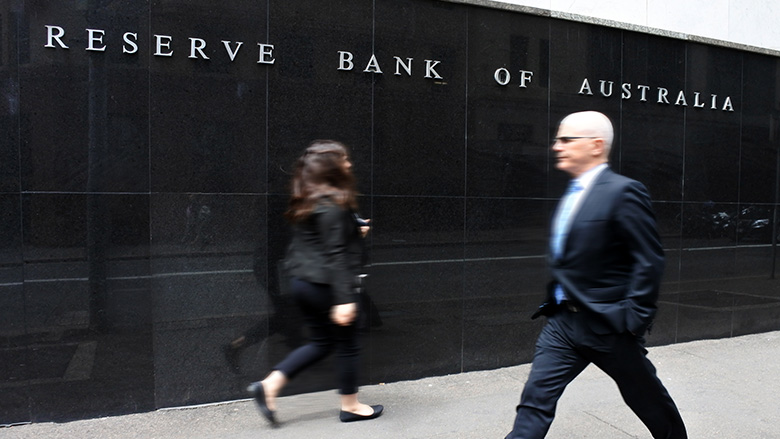
Sticky inflation halted the Reserve Bank's cutting cycle following three reductions between February and August, just as the chance of US rate cuts increased.
A higher Australian cash interest rate relative to the US makes holding US dollar assets such as Treasury bonds less attractive, weighing on demand for the greenback.
Interest rate differentials are likely to support the dollar against the British pound and the euro, with the Bank of England cutting its benchmark to 3.75 per cent in December, and traders tipping the European Central Bank will hold its funding rate at two per cent until at least June.
The outlook for the Australian economy is positive, and despite 2025's unwanted inflation surprises, jobs figures often beat expectations and indicated a labour market at or near full employment.