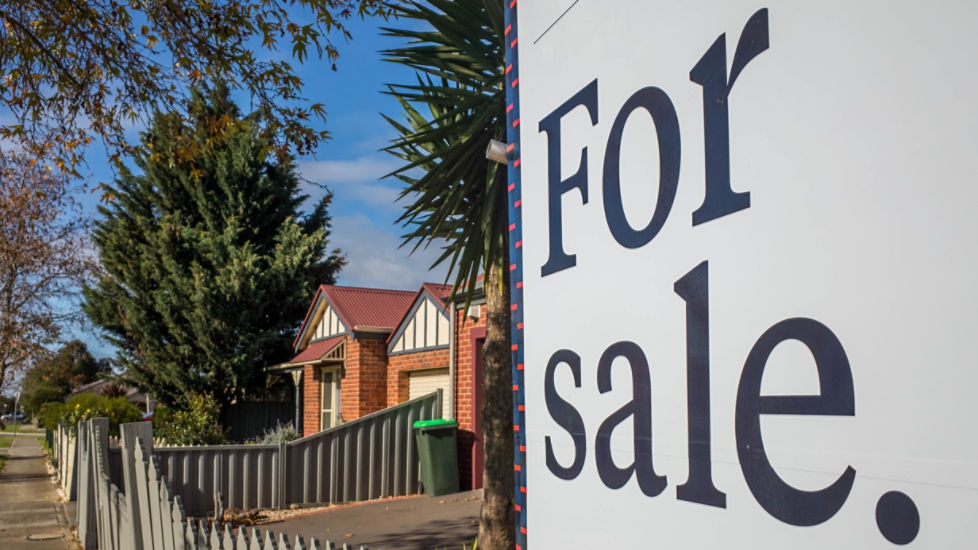
Sydney and Melbourne are already in the early stages of decline, while price growth in mid-sized capitals is slowing, according to Cotality’s latest Housing Chart Pack.
Combined capital city home values rose just 0.2 per cent in April.
“Sydney and Melbourne are already five months into the early phases of decline, while price growth is slowing across the mid-sized capitals,” Cotality research director Tim Lawless said.
“Listings are picking up as demand softens, interest rates are rising, while affordability and serviceability pressures are biting.”
Rate hikes weigh on demand
The outlook follows the Reserve Bank’s decision to lift the cash rate to 4.35 per cent, the third increase in 2026, reversing cuts made last year.
Over the past four decades, Australia has recorded 10 housing downturns lasting at least three months, typically driven by rising rates, tighter lending and affordability constraints.
Mr Lawless said a sharp rise in distressed sales or mortgage arrears was not expected.
That would likely require a weaker labour market or a larger-than-expected increase in interest rates.
Prices diverge across markets
Sydney dwelling values fell 0.6 per cent in April and are now one per cent below their November 2025 peak.
Melbourne prices also dropped 0.6 per cent over the month and sit 2.3 per cent below their March 2022 high.
In contrast, Perth values have surged 26 per cent over the past year, compared to two per cent growth in Melbourne.
Brisbane, Adelaide, Perth and Darwin remain at record highs.
Market shifts in buyers’ favour but homeowners remain insulated
Conditions are beginning to tilt towards buyers after several years of tight supply.
New property listings rose to 39,319 nationally over the four weeks to early May, 4.7 per cent above the five-year average.
Despite early signs of decline, most homeowners remain buffered by strong gains over recent years.
National home values have risen by about a third over the past five years, helping cushion the impact of any declines.