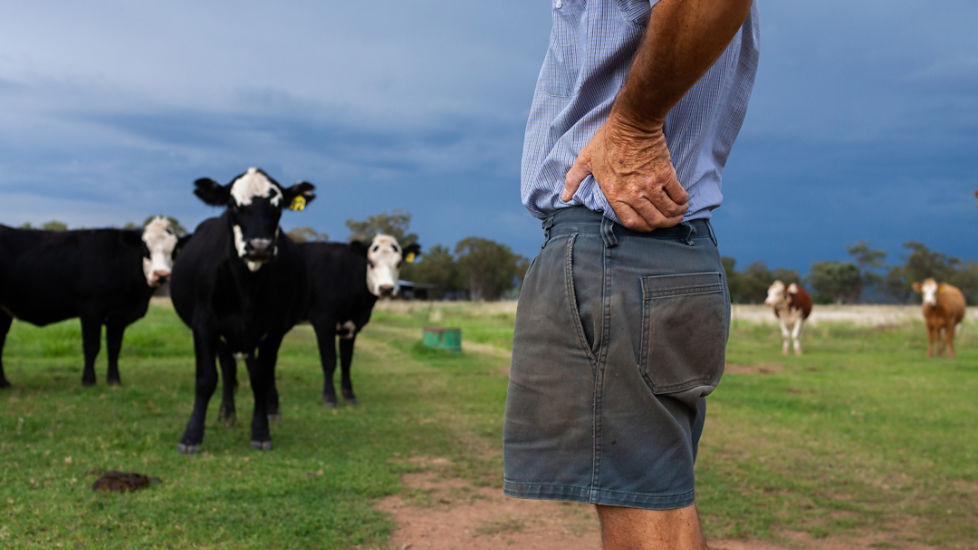
Late autumn rain has been particularly welcome for farmer Paul Manwaring ahead of a potentially dry, warm few months.
Decent pasture growth after a dry start to the year should serve his modest Cootamundra livestock operation well, with an El Niño climate pattern confirmed in the Pacific.
While Australia's weather is driven by more than just El Niño-Southern Oscillation patterns and no two events are the same, El Niño has historically been linked to less rain and warmer temperatures in eastern regions throughout winter and spring.
Forecasts complicate farm planning
While the southwestern NSW property was reasonably well-placed for a drier spell, Manwaring told AAP the long-range outlook had still complicated his forward planning.
The beef breeder was considering leasing more country but livestock prices could turn volatile with forecasts hinting at less rain.
El Niño announcements can trigger short-lived slumps in livestock prices as saleyards are flooded in anticipation of dry conditions, often followed by prices climbing again due to diminished herds.
The thought of servicing lease payments while negotiating fluctuating cattle prices was enough to have Manwaring thinking twice.
Drought is not inevitable
Rose Roche, leader of the Digital Innovations group in CSIRO's Farming System program, said drought was not inevitable in an El Niño year.
Risk is higher, Roche confirmed, yet droughts tend to build up after prolonged stints of below-average rainfall.
The worst impacts for farmers, including poorer crop yields, weaker pasture growth and dwindling dam levels, typically come from longer periods of dry over multiple years.
El Niños can last up to two years but usually gear up in winter and spring and start decaying in autumn.
"It's a signal," she told AAP.
"It's saying we might be heading into a drier, hotter winter and spring, so therefore, keep a closer eye on prices, seasonal outlooks and seasonal forecasts."
"Think about your business planning but no need to panic."
More than just El Niño declarations inform farming decisions, she added.
For instance, a beef farmer with strong pasture growth may hold off destocking early as prices may go up later.
Multiple climate drivers at play
The Bureau of Meteorology officially declared an El Niño under way on Tuesday, referring to a natural weather pattern triggered by the warming of the central and eastern tropical Pacific Ocean.
Forecasts suggest a "strong to very strong" El Niño is developing, though a potent system does not necessarily amount to more severe weather in Australia.
Strong El Niños have been linked to fairly mild and isolated dry conditions, while mild events, as well as neutral or even La Niña years, have occurred alongside serious bushfires and droughts.
Australia's weather is also influenced by a host of other drivers, including a similar phenomenon in the Indian Ocean, as well as climate change, which climate scientists say could exacerbate El Niño impacts.
The latest long-range forecasts from the bureau, which blend all major climate drivers, point to below-average rain across parts of southern and eastern Australia over the next three months and above-average daytime temperatures south of the tropics.