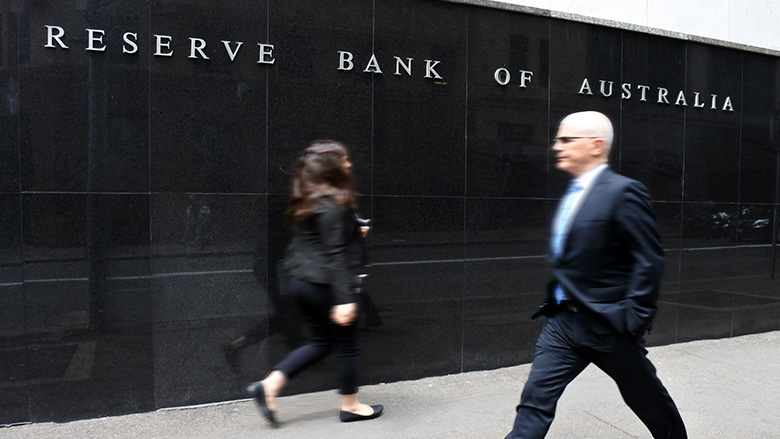
Economy showing signs of slowing
The RBA said growth in economic output had slowed, although the June quarter was slightly stronger than expected.
Consumer spending was gradually easing, while housing prices had fallen in most capital cities and new housing loans had declined noticeably.
Labour market conditions had also eased broadly as expected in recent months.
At the same time, the RBA said business investment and debt continued to grow strongly and weak productivity growth was constraining the economy’s potential growth.
The Board said the three earlier rate increases this year had tightened financial conditions and the economy appeared to be slowing.
“But inflation is still too high and the Board judged that, in light of recent developments, a further tightening in financial conditions is warranted to support a return of inflation to target in a reasonable period,” it said.
Could interest rates rise again?
CBA Senior Economist Ashwin Clarke said there were signs this year’s interest rate increases were having the RBA’s intended effect and slowing the economy.
“But it takes time to have their full effect - it can take up to 18 months,” he said.
In its statement, the RBA left the door open to further increases in the official cash rate if required.
“The Board will continue to do what it considers necessary to bring inflation sustainably back to target, including increasing the cash rate target further if needed,” it said.
The RBA said it would continue to assess incoming economic data and changes in the outlook and risks when making future decisions.
Clarke said CBA still saw the risks to the outlook as tilted towards further rate rises, but he said CommBank expected the economy to slow enough for the RBA to eventually begin cutting rates late next year.
“We do think the economy will slow enough that the RBA gains confidence that the economy and inflation are on the right track,” he said. That would potentially open the door for rate cuts in August and November 2027, Clarke said.