Heavy rain is lifting cattle prices but could spoil the winter harvest

Heavy rain across northern NSW and Queensland has pushed cattle prices higher, just as grain growers get ready to harvest.

22 October 2026

Weathered farmer with hands on hips looking at cattle with storm clouds incoming By Austockphoto

Key points

  • Young cattle prices rose 3.3% in a week as rain improved pasture prospects
  • CBA says the same rain could lead to quality downgrades for winter crops close to harvest if heavy rains continue
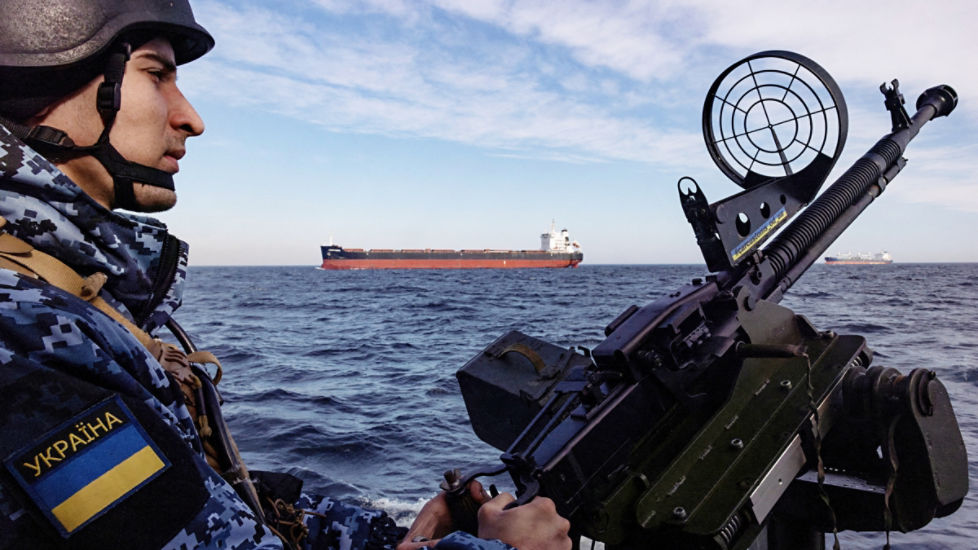
  • Wheat prices fell in the US and Europe on Ukraine-Russia peace talks, but Australian wheat prices rose

Good news for cattle producers

Northern NSW and Queensland received between 5mm and 200mm of rain over the past week, and another 25mm to 150mm is forecast for parts of the region over the next eight days.

For cattle producers, that's welcome news, CommBank Agricultural Economist Dennis Voznesenski said in a research note.

Voznesenski said the rainfall improved pasture prospects, and cattle prices rose across the board. 

Young cattle prices climbed 3.3% for the week. Heavy steers rose 2.1%, processor cows 2.3% and feeder steers 1.2%.

Demand from overseas is helping too. Voznesenski said “tight US beef supply continues to support Australian export demand”.

Embracing the next generation of farming

From breeding Wagyu cattle across six properties to introducing robotics into its feedlot, Strathdale Wagyu is combining family farming with new technology 

A headache for grain growers

But for crop farmers, the rain’s timing is less kind.  

“While the heavy rains are favourable for cattle producers, they could cause havoc for farmers readying to harvest their winter crops,” Voznesenski said.

He said the rain could lead to crop quality downgrades if they persist in coming weeks.

There may also be more wet weather to come in some states. Voznesenski noted the Bureau of Meteorology favours above-median November rainfall across WA and Queensland, while SA and Victoria are forecast to be drier.

Peace talks weigh on global grain prices 

Meanwhile, overseas, peace deal discussions between Ukraine and Russia, along with good rain for the US winter wheat crop had pushed wheat prices lower, Voznesenski said.

Wheat prices fell 4.6% in the US and 2.7% in Europe over the week. But Australian wheat prices bucked the trend, rising 0.7%.

Canola followed a similar path offshore. Canadian canola prices fell 3.9% and European rapeseed dropped 5.4%, with the peace talks and new northern hemisphere oilseed supply weighing on prices, he said.

Local canola prices eased by between 0.8% and 1.6%. 

Chickpea rally takes a breather

Australian chickpea prices eased 1.6% over the week, but they're still up 35% since 1 July.

Voznesenski said the approaching local harvest and more Russian and Ukrainian pulses moving through export routes outside the Black Sea are “expected to limit upside in prices moving forward”.

Newsroom

For the latest news and announcements from Commonwealth Bank.

Things you should know

The information presented is an extract of a Global Economic and Markets Research (GEMR) Economic Insights report. GEMR is a business unit of the Commonwealth Bank of Australia ABN 48 123 123 124 AFSL 234945.

This extract provides only a summary of the named report. Please use the link provided to access the full report, and view all relevant disclosures, analyst certifications and the independence statement.

The named report is not investment research and nor does it purport to make any recommendations. Rather, the named report is for informational purposes only and is not to be relied upon for any investment purposes.

This extract has been prepared without taking into account your objectives, financial situation (including your capacity to bear loss), knowledge, experience or needs. It is not to be construed as an act of solicitation, or an offer to buy or sell any financial products, or as a recommendation and/or investment advice. You should not act on the information contained in this extract or named report. To the extent that you choose to make any investment decision after reading this extract and/or named report you should not rely on it but consider its appropriateness and suitability to your own objectives, financial situation and needs, and, if appropriate, seek professional or independent financial advice, including tax and legal advice.