Where a steak starts
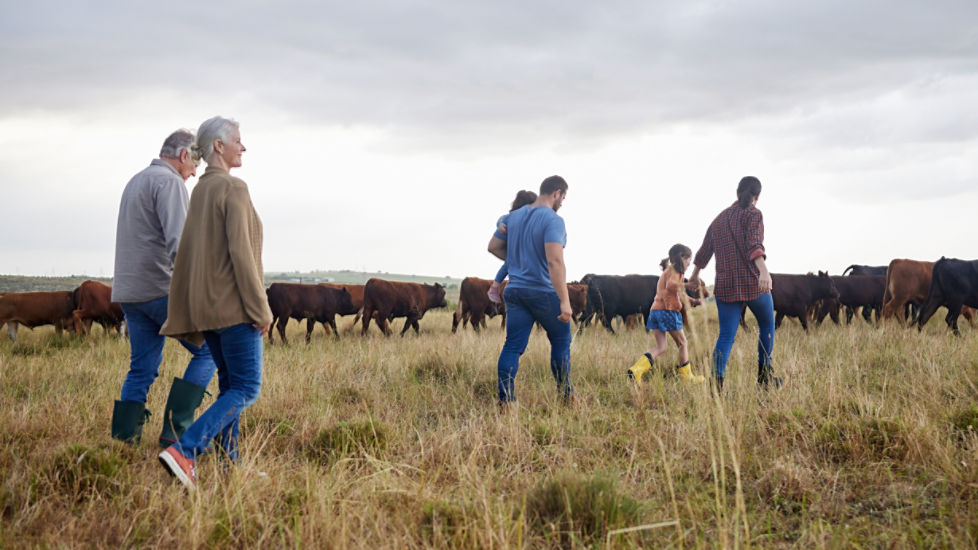
Some of the family's heifers are about a year old and about to be joined to a bull. They're the future breeding herd, and the work on them starts well before they're born, with genetic selection.
"You've got to get your selection right to make sure you're breeding the right animal that will grow you more kilos of meat per hectare," Farquharson said.
The more weight the steers put on, the more meat there is for consumers, he said. Mistakes are slow to fix. "If you choose the wrong genetics, it can set you back five years pretty quickly."
From the paddock to the plate
A packet of steak in the supermarket is the end point of all that work.
"The process behind creating that piece of steak, getting even the eating quality right, there's a lot that goes into it," he said.
The family keeps working on its herd. "There's about 30 years' worth of genetics in these cattle. But we're ever evolving with genetics. It's just a game that never ends," he said.
Room to grow
Farquharson sees plenty of upside ahead, both on the farm and for Australian beef more broadly. He expects better pasture products to help grass grow and make it more resilient, and autonomous spray rigs to tackle weeds while saving on labour and costs.
Cattle numbers in the US have fallen after four or five tough years, and he said Australia is well placed to help fill that gap, alongside markets such as China and Europe.
For the paddocks that were once rock piles, the next step is already in sight.
"In time, we'll be able to cut hay off this paddock. Whereas five years ago, you never even thought of cutting hay off a paddock like this," he said.