Monthly wage growth slowed again in October, easing to the slowest pace since December 2025, according to the latest CommBank Wage and Labour Insights series.
In annualised terms, monthly wage growth eased to 3.1% in October from a high of 3.5% recorded in August. The drop puts monthly wage growth at the weakest pace recorded this year, and below the 3.2%-3.3% pace it held through the first seven months of 2026.
CommBank Economist Harry Ottley said the moderation in monthly wage growth shows there’s still no sign that higher inflation expectations have become embedded in wages.
“Our monthly measure on wages shows a clear slowdown and confirms the lift from the 4.75% Fair Work Commission award increase was short and sharp, with a noticeable but limited impact.
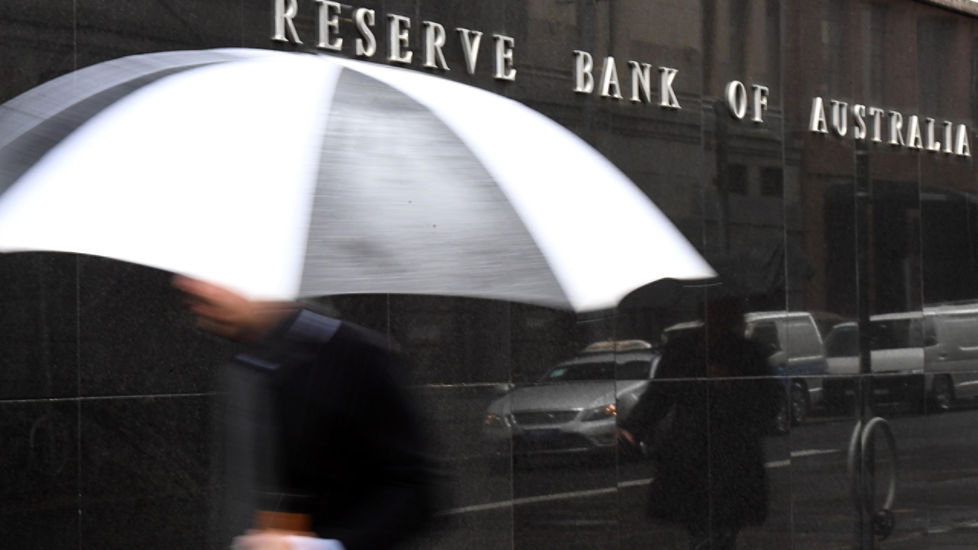
“The timing matters. The RBA lifted its wage forecasts earlier this month on the view that higher inflation outcomes and expectations feed into wage negotiations, and flagged ‘an increasing risk that higher inflation expectations will become embedded’.
“Our data shows no sign of that yet as we enter Q4 2026. That should provide some comfort for the RBA, though it has no shortage of other inflation concerns,” Ottley said.
Total wage bill shows signs of easing
CommBank’s compensation of employees proxy tracks growth in the total wage bill using internal salary transaction data, capturing both pay rises and changes in jobs and hours worked.
This month, the proxy eased to around 5.5% in annual terms, from around 5.7% where it sat through most of 2026. The October figure is the softest pace since mid-2025 and is well below the peak of close to 10% in 2022.
“The ABS measure has also come off, to around 6% over the year to Q2 26 from a recent high of around 7% in mid-2025. The two series have tracked each other relatively closely over time, especially directionally, and our proxy points to a further easing in the official measure,” Ottley said.
“Slower growth in the wage bill means slower growth in household labour income. That fits with the RBA’s view that softer consumption reflects the earlier easing in household income growth, and points to a softer backdrop for consumer spending as higher interest rates bite, albeit from a resilient level.”
South Australia moves to the top of the table
The CommBank Wage Insights series continues to show divergence in wage growth patterns across the country.
South Australia recorded the strongest wage growth in the nation at 3.8%, up from 3.7% in September, taking the state to the top of the table.
Western Australia and the Northern Territory recorded the second strongest rate at 3.7%. Tasmania’s wage growth eased to 3.5% from 3.7%, with the state recording the biggest fall in the country.
Victorian wage growth remains the weakest in the country, easing to 2.9% from 3.0%, and marks the state’s fifth consecutive month at the bottom of the table.
Employment growth edges lower
When it comes to jobs, the CommBank Labour Insights series indicates jobs growth of 18,000 positions in October, a touch below the ‘break-even rate’ required to keep the unemployment rate steady on an unchanged participate rate.
Ottley said labour supply is continuing to outpace demand, with employment growth expected to slow further.
“Labour demand remains somewhat resilient, but the easing at the margin is consistent with a slowing economy, with five rate hikes this year and falling housing prices weighing on activity.
“Labour supply has also continued to outpace demand, with participation around historically high levels, lifting the unemployment rate to 4.7% in September.
“We expect employment growth to slow further and the unemployment rate to keep rising, to a peak of 5.1% at end-2027,” Ottley said.