2. Has the Iran situation made people rethink petrol cars?
High fuel prices being driven by the conflict in the Middle East are certainly one part of the story, but they didn’t create the EV trend and they’re not the only reason people are choosing EVs.
When fuel supply concerns pushed petrol prices higher in March, Commonwealth Bank recorded a 161.5% lift in weekly loan volumes for new battery EVs compared with the February average. EV purchase enquiries through Cars for CommBank also rose 136% in March.
But sales have remained strong well beyond that initial fuel-price shock.
“Commonwealth Bank recorded a 171% lift in year-on-year loan volumes for new battery EVs in Q1 FY27 compared with Q1 FY26,” CommBank auto lending Product Stream Lead Tim Burdon said.
“EVs make up the majority of fuel-filtered searches on Cars for CommBank with 69.7% of customers searching for an EV in September.”
The ongoing interest suggests the shift is also being supported by a wider range of models, stronger competition and buyers looking at the longer-term cost of running a car.
3. Are EVs getting cheaper, or are they still pretty expensive?
There are more lower-priced EVs than there used to be, and buyers have far more choice.
The Electric Vehicle Council says 196 battery EV and plug-in hybrid models were available in Australia in 2026, up from 153 in 2025. That includes 125 battery EV models and 71 plug-in hybrids.
More competition can help on price, but an EV still won’t be the cheapest option for every household. The sticker price is only part of the equation. Running costs can vary depending on how far someone drives, where they charge, electricity and petrol prices, insurance, servicing, tyres and resale value.
Australia’s used-car market is also important. The New Vehicle Efficiency Standard regulator says about 70% of Australians buy their cars second-hand, which means today’s new-car mix can shape what is available used later on.
4. What’s the difference between an EV, a hybrid and a plug-in hybrid?
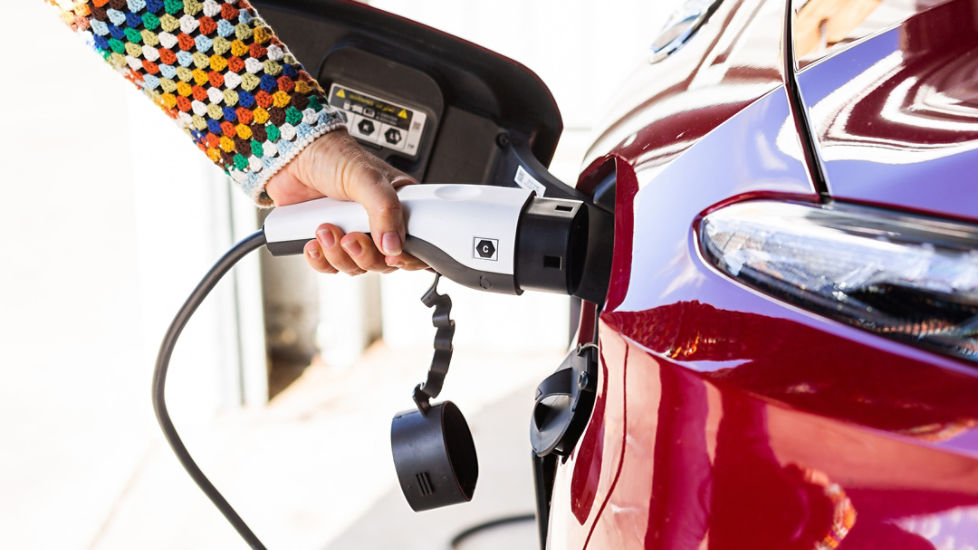
There’s more than one type of electric vehicle. A full EV runs only on a battery. It has to be plugged in and charged and is also known as a battery electric vehicle, or BEV.
A hybrid uses petrol or diesel, but also has a small battery that helps the car use less fuel in some driving conditions. You do not plug it in.
A plug-in hybrid sits between the two. It can be plugged in and can run on electricity for shorter trips, but it also has a conventional engine.
The language can be confusing. Some industry groups use “EV” to include plug-in hybrids, while many drivers use the term to mean a full battery-only car.
5. What car is that? Why am I seeing so many brands I’ve never heard of?
The makeup of Australia’s new-car market is changing quickly, and Chinese-made vehicles are a major part of that shift.
In February, China became Australia’s largest source of new vehicles for the first time since 1998, based on figures from the Federal Chamber of Automotive Industries and the Electric Vehicle Council.
In September, China supplied 35.5% of all new vehicles sold in Australia, taking top spot ahead of Japan at 22.5% and Thailand at 17.3%. The change goes beyond EVs, but electric cars have been an important part of the growth.
CommBank analysis earlier in the year found Chinese brands accounted for 57% of Australia’s EV market in May, up from 33% a year earlier. Lower-priced models and a growing number of brands are giving buyers more options across small cars, SUVs and other segments.
“Chinese brands are now dominant suppliers of EVs in Australia,” CommBank Sustainable and Energy Economist John Oh says.