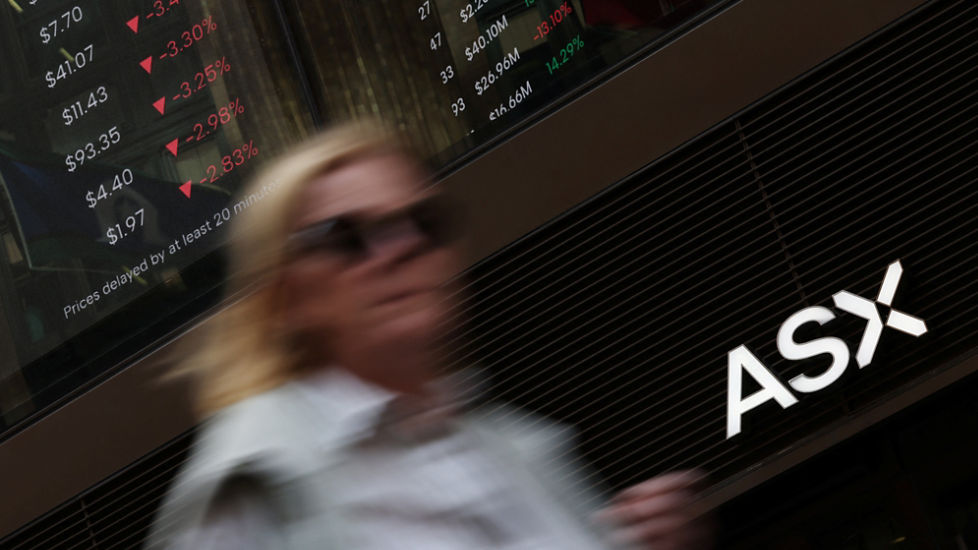
The S&P 500 edged down 0.1% for a second day of modest moves following what had been a wild stretch caused by the war with Iran. The Dow Jones Industrial Average dropped 289 points, or 0.6%, and the Nasdaq composite rose 0.1%.
Since the start of the war, sharp moves for oil prices have triggered swings up and down for financial markets worldwide, sometimes by the hour. Oil prices briefly spiked to their highest levels since 2022 this week because of the possibility that production in the Middle East could be blocked for a long time, which in turn raised worries about a surge of debilitating inflation for the global economy.
The International Energy Agency said on Wednesday that its members will release a record amount of oil, 400 million barrels, from stockpiles they've set aside for emergencies. Such moves push downward on oil prices in the near term, but it will likely require a full resumption of the flow of oil and natural gas from the Persian Gulf area to fully ease the market. That has investors worldwide anxiously awaiting the end of the war.
The price for a barrel of Brent crude, the international standard, rose 4.8% to settle at $US91.98. A barrel of benchmark US crude gained 4.6% to $US87.25.
Strait of Hormuz remains jammed
Worries are centred on the Strait of Hormuz, a narrow waterway off Iran's coast where a fifth of the world's oil sails on a typical day. The war has halted most of that traffic, which means storage tanks for crude in the region are filling up because the oil has nowhere else to go. That in turn is pushing oil producers to say they're cutting their output.
The United States said it took out more than a dozen minelaying Iranian vessels on Tuesday, and the Islamic Republic vowed to block the region's oil exports, saying it would not allow "even a single litre" to be shipped to its enemies.
All this is happening at a time when inflation was already relatively high in the United States. A report released Wednesday showed that US consumers paid prices for groceries, gasoline and other costs of living that were 2.4% higher in February than a year earlier.
That inflation rate was the same as the prior month's and better than the 2.5% that economists expected, but it remains above the 2% target the Federal Reserve has set for the economy. It also doesn't include the spike in gasoline prices that's happened this month because of the war.
US bond yields fall
In the bond market, yields fell after the report on inflation. The yield on the 10-year Treasury dropped to 4.25% from 4.30% late Tuesday.
The Federal Reserve has been keeping interest rates high in order to slow inflation, and it has said it may cut rates later this year if inflation continues to cool. Lower rates can help boost the economy and prices for stocks and other investments, but they can also help give inflation more fuel.
Traders are still betting that the Fed will cut rates later this year, even with worries about rising energy prices.
In stock markets abroad, indexes rose in Europe and were mixed in Asia.