What does a $95,000 salary buy a young Australian today?

From cost-of-living pressures to first-home ambitions, CommBank economist Harry Ottley explores the financial choices facing young professionals.

15 September 2026

Business Innovation

Key points

  • Housing remains a major pressure for young Australians - influencing spending, saving and decisions about where to buy a first home.
  • Younger Australians are juggling immediate costs with future goals, including home ownership, major life milestones and building an emergency fund.
  • Cost pressures are changing how people spend with experiences such as travel, hospitality and major events continuing to be prioritised.

Earning close to six figures might sound like a comfortable financial position. But for many young Australian professionals, income is only one part of the financial equation.

Young professionals, spanning fields such as business, health, education, technology, science and law - are a sizeable part of Australia’s workforce.

Around one million of the nation’s 4.3 million employees aged 21 to 34 work as professionals, making it the single largest occupation group among younger workers.

According to the ABS, professionals aged 21 to 34 earn an average of $1,831 a week, or about $95,000 a year.

But that income has plenty of expenditure destinations competing for it. Housing and groceries, saving for a first home, putting money aside for the unexpected, and discretionary spending on entertainment, holidays and dining out all vie for young professionals’ wallets.

And according to CommBank economist Harry Ottley, housing influences almost all of those choices.

“That's because housing is still the biggest expense. And it shapes almost every other financial decision that young people make.”
Housing shapes what comes next

Housing accounts for the biggest single expense in a young household’s budget.  Younger Australians are also much more likely to rent, with well over half of 15 to 34 year olds being renters.

This is especially true in inner city locations, with the City of Sydney LGA for example having over 60% of residents renting, about double the national figure.

That exposure comes after a period of strong rent inflation, while those who have bought a home have faced higher interest rates and expensive property prices.

The significance of housing goes beyond the amount leaving a bank account each month.

“We know that rent inflation has been very strong in recent years, with rents materially higher than the pre-COVID period.”

“So, no doubt housing is a key source of cost-of-living pressure for younger people.”

The effects can also be seen in spending patterns. The CommBank Household Spending Insights, shows renters have recorded softer spending growth than other cohorts for much of the past few years.

The path to a first home is changing too

For many young professionals, home ownership remains one of the biggest longer-term financial goals.

CommBank internal home lending data from the past year, puts the average age of an Australian first home buyer at 33. Compared with previous decades, Australians are also buying their first homes later, with higher property prices and the time required to save a deposit among the factors.

Where people buy provides another indication of the affordability challenge.

Younger Australians tend to rent closer to inner-city areas, but the overwhelming majority of first home buyers purchase in more suburban locations.

Ottley said the shift needs to be considered against the broader affordability picture.

“Housing affordability remains stretched across Australia. Based on our analysis, the proportion of income that dual income households are directing to their mortgage is very high relative to history, and it's most expensive in Sydney.”

Affordability varies between cities, with CommBank analysis showing Melbourne has become comparatively more affordable than Sydney and other parts of the country.

“Melbourne is now actually the cheapest mainland capital city,” Ottley said.

Saving for the expected… and unexpected

Against that backdrop, younger Australians are balancing the cost of today with some significant goals for the future.

A CommBank Newsroom poll in partnership with The Daily Aus found saving for a home, getting married and starting a family were among the big-ticket priorities for young people, while 69 per cent were also focused on building an emergency fund.

For a young professional earning around $95,000 a year, that means balancing housing and everyday essentials with the things they still want to enjoy today and the milestones they’re working towards tomorrow.

Essentials leave less room to manoeuvre

Food is another unavoidable part of the household budget.

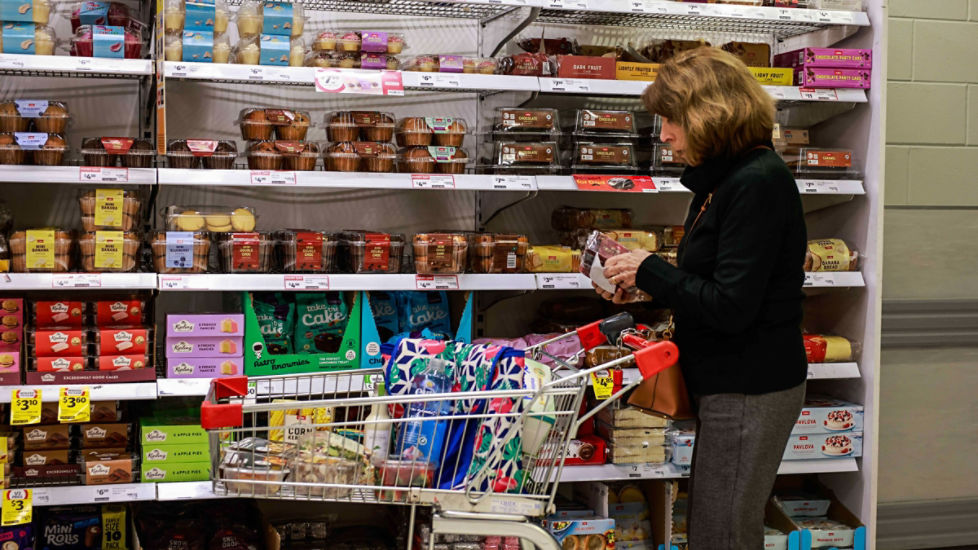
Food prices have increased considerably in recent years, adding to the pressure created by housing and other essential expenses.

But it’s the nature of those price increases, rather than food prices alone, that matters for household budgets.

“It’s really a story of the essential parts of the inflation basket broadly increasing a lot more than just the discretionary parts of the basket.

“And this means that households do find it difficult to avoid paying the increased prices, which does impact the cost of living,” Ottley said.

The combination helps explain why a relatively strong salary doesn't necessarily translate into the same degree of financial flexibility.

Experiences still make the cut

Pressure on household budgets doesn't mean Australians have responded by cutting every type of discretionary spending equally.

CommBank Household Spending Insights data indicates renters, a group weighted towards younger Australians, continue to allocate a larger share of their wallets to hospitality.

The spending patterns seen during the height of the cost-of-living squeeze also point to a distinction between possessions and experiences.

“Household budgets have definitely been squeezed, especially through the 2022/23 period when the cost-of-living crunch was at its worst.

“One of the interesting things we've noted, though, is through that period spending generally held up better for experiences, things like big ticket concerts and sporting events compared to electronics and household goods, which is an interesting behavioural response post-Covid,” Ottley said.

Another behavioural change has been the growing importance of major sales events, with consumers appearing more willing to time some larger purchases around periods such as Black Friday.

Ottley said the shift had become more pronounced.

“One of the legacies that remains, is that people seem to be really waiting up for those big sales events like Black Friday, and they're becoming a much more dominant feature of the calendar.

“And so, people are seemingly waiting up to splurge on those big-ticket items more than previously.”

Newsroom

For the latest news and announcements from Commonwealth Bank.

Things you should know

Media releases are prepared without considering an individual reader’s objectives, financial situation or needs. Readers should consider the appropriateness to their circumstances. Visit Important Information to access Product Disclosure Statements or Terms and Conditions which are currently available electronically for products of the Commonwealth Bank Group, along with the relevant Financial Services Guide. Target Market Determinations are available here. Loan applications are subject to credit approval. Interest rates are correct at the time they are published and are subject to change. Fees and charges may apply.