CommBank joins Deadly Coders to grow AI skills for 5,000 First Nations students

CommBank has joined Deadly Coders and Microsoft to help 5,000 First Nations students build AI skills, with students in western Sydney getting a hands-on taste of technology careers this week.

23 October 2026

Deadly Coders

Key points

  • Mount Druitt students are developing apps to tackle real CommBank challenges.
  • The expanded program will also help teachers bring AI into their classrooms.

Thousands of First Nations students will get the chance to build AI and digital skills under an expanded education program bringing together Commonwealth Bank, Deadly Coders and Microsoft.

The partnership will run across 2026 and 2027, building on a Deadly Coders program that reached nearly 5,500 students at 32 schools in its first year, with a strong focus on regional and remote communities.

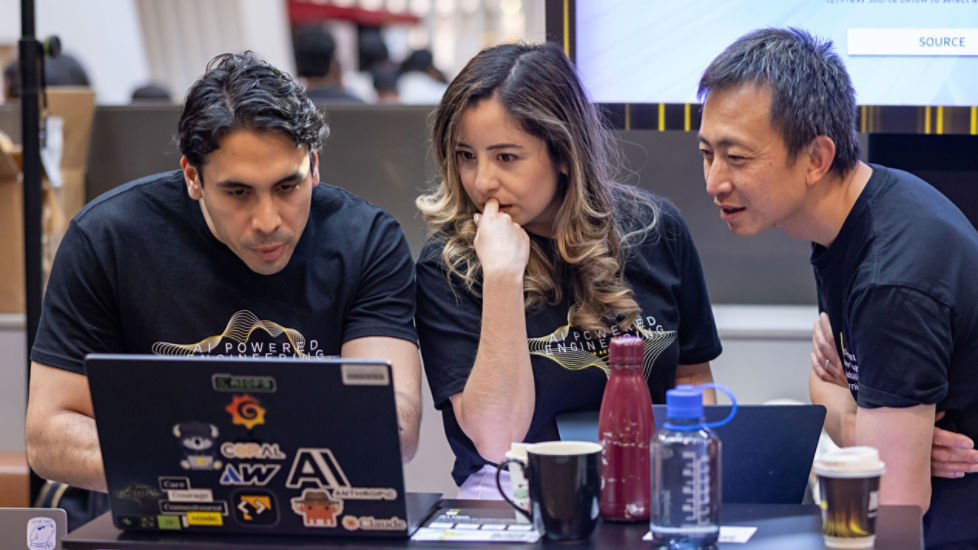
The launch was marked by a three-day App Prototyping Hackathon involving First Nations students from Chifley College in Mount Druitt.

Students had the opportunity to learn design thinking and app prototyping before working in teams to develop solutions to real-world problems faced by CommBank. The hackathon aimed to encourage more First Nations high school students to consider careers in technology.

From an idea to an app

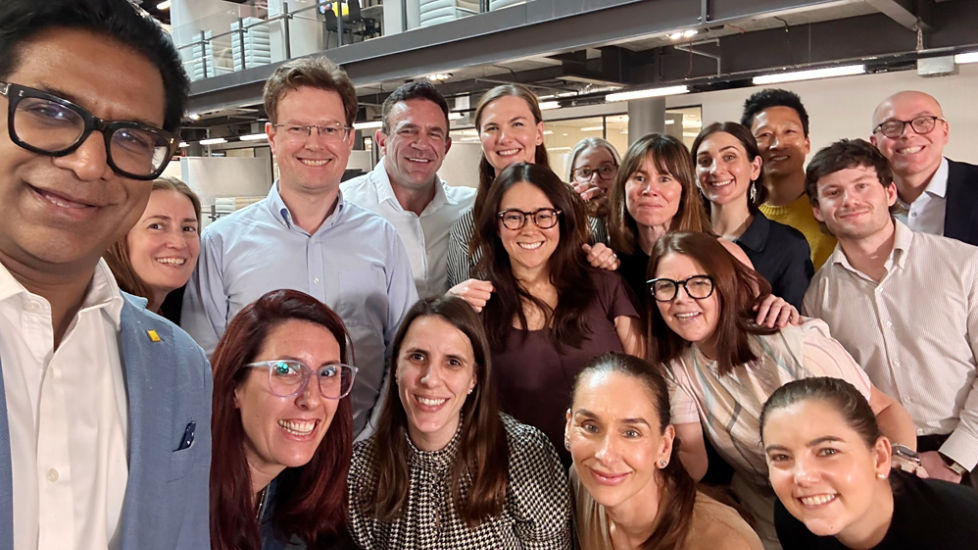
On the final day of the hackathon, the students travelled from Mount Druitt to CommBank’s ‘Axle’ building at South Eveleigh, where they brought their ideas to life by designing and prototyping their own apps. They also had the opportunity to connect with some of CommBank’s technologists, who loved spending time with the students, answering their questions, sharing their experiences and showing them around the workplace.

CommBank Senior Engineering Manager Brendan Shields gave the students a first-hand look at what working in technology can involve through a session on “A Day in the Life of a Tech Professional at CBA”, where he shared what a typical day can look like and some of his own experiences working in tech. 

CommBank Product Owner, First Nations Careers, Steven Collins said the partnership was about connecting digital skills with future opportunities.

“What I love about this partnership is that it brings together expertise from across CommBank. Our Community Skilling, First Nations Careers and Technology teams are working together with Deadly Coders and Microsoft to help build digital skills early, while showing young First Nations people where those skills could take them. It’s about skills, visibility and ultimately creating pathways to opportunity.”


Building on the first 5,500 students

Deadly Coders and Microsoft launched the program during NAIDOC Week in July 2025, initially setting a goal of reaching 5,000 First Nations students.

Within 12 months, it had reached nearly 5,500 students across Queensland, the Northern Territory and Western Australia.

Each participating school received a 90-minute session led by a Deadly Coders facilitator using Minecraft Education's AI World , which uses the super-popular gaming and world-building platform Minecraft to teach student AI concepts, prompt engineering, and responsible AI principles through hands-on coding and gameplay. Activities ranged from sustainable farming and caring for oceans and wildlife to mapping land, with the learning grounded in culture, Country and community. Students could then continue learning through Deadly Coders Online.

Deadly Coders CEO Grant Maher said the first year showed what could happen when students saw themselves reflected in the technology they were learning.

“Year one showed us what happens when First Nations students see themselves in the technology they’re learning. They light up,” Maher said.

“Microsoft and CommBank aren’t just backing a program, they’re backing our young people to lead.”

Closing the digital gap

The expansion comes as First Nations Australians continue to face higher levels of digital exclusion.

The Mapping the Digital Gap 2025 Outcomes Report found First Nations Australians were twice as likely to be digitally excluded as other Australians. In the remote communities studied, three in four First Nations people were digitally excluded.

The program is designed to give young people the skills and confidence to take part in a changing digital economy, while showing them where technology skills could lead.

Helping teachers keep the learning going

The expanded program will reach another 5,000 students across 2026 and 2027. Some will take part for the first time, while others will return to build on what they learned in the first year.

There will also be a greater focus on teachers, with support designed to help them build the confidence and skills to use AI in their own classrooms after Deadly Coders facilitators leave.

Schools will receive new teaching resources and structured follow-ups, while feedback from students and teachers will be used to build a clearer picture of the program's impact.

Microsoft AI National Skills Director Tim Allen said AI skills would shape the opportunities available to the next generation.

“AI skills will shape the opportunities available to the next generation of Australians, and every young person deserves a fair start,” Allen said.

“Deadly Coders has shown what’s possible when learning is grounded in culture and community. We’re proud to keep building this program together and to help more First Nations students and teachers step confidently into an AI-powered future.”

Newsroom

For the latest news and announcements from Commonwealth Bank.

Things you should know

Media releases are prepared without considering an individual reader’s objectives, financial situation or needs. Readers should consider the appropriateness to their circumstances. Visit Important Information to access Product Disclosure Statements or Terms and Conditions which are currently available electronically for products of the Commonwealth Bank Group, along with the relevant Financial Services Guide. Target Market Determinations are available here. Loan applications are subject to credit approval. Interest rates are correct at the time they are published and are subject to change. Fees and charges may apply.