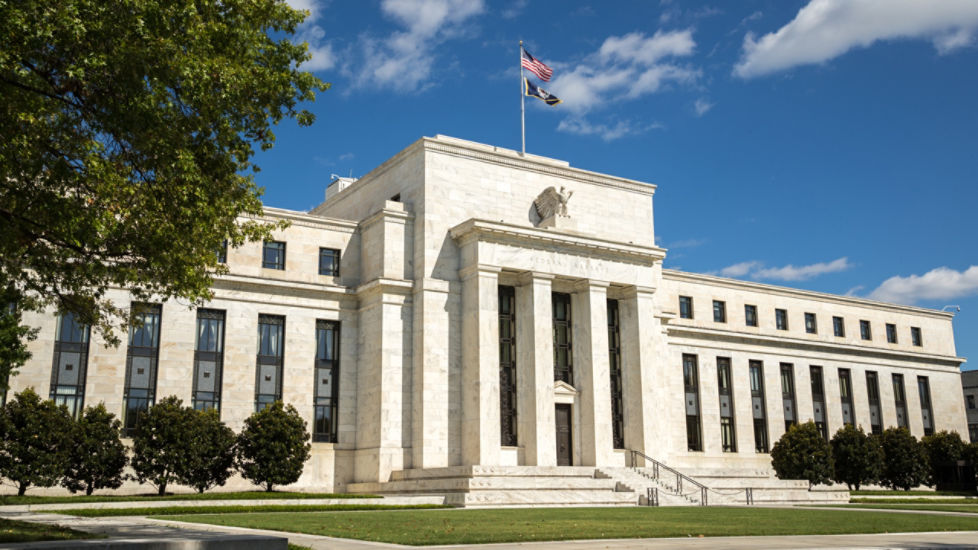
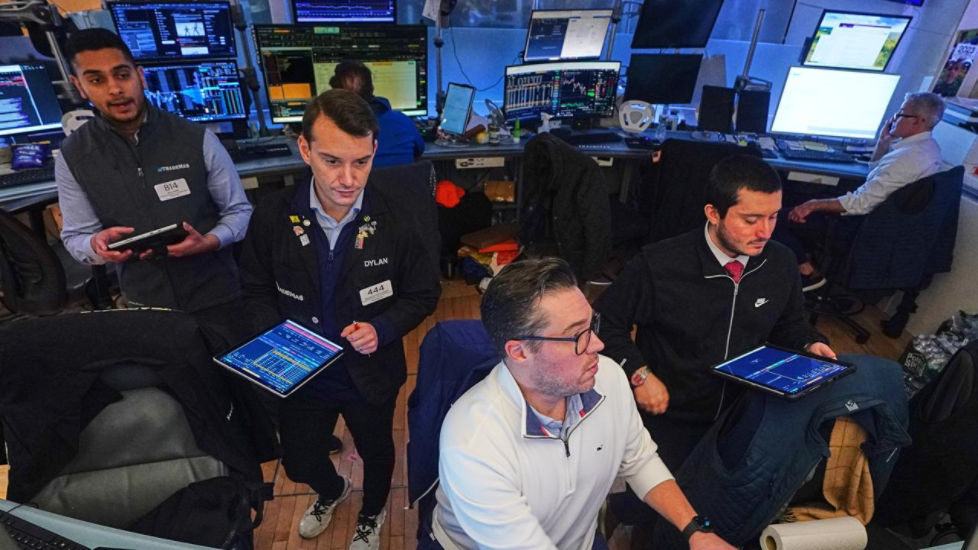
The bond market swung on Wednesday, while US stocks ticked higher following the US Federal Reserve's decision not to raise its main interest rate to bring down high inflation. The bond market's moves indicated traders see less of a chance of hikes to rates in the future that would help ease inflation but could also hurt the economy.
The S&P 500 rose 0.3% after drifting between small gains and losses through the day, both before and after the Fed's decision. The Dow Jones Industrial Average added 97 points, or 0.2%, and the Nasdaq composite rose 0.3%.
Bond yields swing
The action was much stronger in the bond market, where the yield on the two-year Treasury initially climbed after the Fed announced it was holding the federal funds rate steady. It got above 4.79% from 4.70% late on Tuesday after the Fed said two officials actually wanted to raise the fed funds rate, only to get outvoted by their peers.
The central bank last month raised its main interest rate for the first time in three years in hopes of bringing down inflation, which has remained above the Fed's 2% target for years and has been discouraging Americans broadly.
But the two-year Treasury yield, which closely tracks expectations for Fed action, quickly reversed course. It dropped as low as 4.69% after Fed Chairman Kevin Warsh said the central bank wanted to see how conditions play out before making its next move.
He pointed to how rates for loans have climbed and how lenders and investors have become "more discerning." He said the overwhelming judgment among Fed officials at their meeting was that "monetary medicine" is "starting to work some."
Along with signals that the US economy continues to grow, Warsh said that "broadly, these developments go in the direction" of helping the Fed achieve its two goals of a healthy job market and relatively low inflation.
Traders on Wall Street still see further increases to rates by the Fed as likely, but they pared back bets for how many may come by next summer, according to data from CME Group.
The yield on the 10-year Treasury, which moves on expectations for inflation and economic growth in upcoming years, had its own yo-yo moves following the Fed's meeting but was largely steadier. It rose to 5.02% from 4.99% late on Tuesday.
Oil prices rise
Yields also got an upward nudge from rising oil prices as uncertainty continues about what will happen in the Middle East and the global energy industry. The price for a barrel of Brent crude, the international standard, climbed 2% to $US111.64.
Higher rates push downward on stock prices, which raises the pressure on companies to deliver growth in profits to counteract that. Several companies rallied on Wednesday after joining the list of those beating analysts' expectations for the summer.
AI stocks stabilise
Stocks in the artificial intelligence industry were also relatively solid. They've stabilised this week following big swings on worries that high borrowing costs will undercut the boom in AI data centres largely built with borrowed money.
AI stocks got a boost after a major player in the industry, South Korea's SK Hynix, soared 10.9% in Seoul following its latest profit report. The seller of memory chips said it's in the midst of a virtuous cycle of rising AI usage, and it expects demand to continue to outpace supply through 2030.
On Wall Street, Micron Technology rose 5.9% and was the strongest force lifting the S&P 500. It also sells memory for computers.
All told, the S&P 500 rose 21.38 points to 7,743.98. The Dow Jones Industrial Average added 97.53 to 52,475.10, and the Nasdaq composite climbed 72.04 to 26,549.85.
Global markets
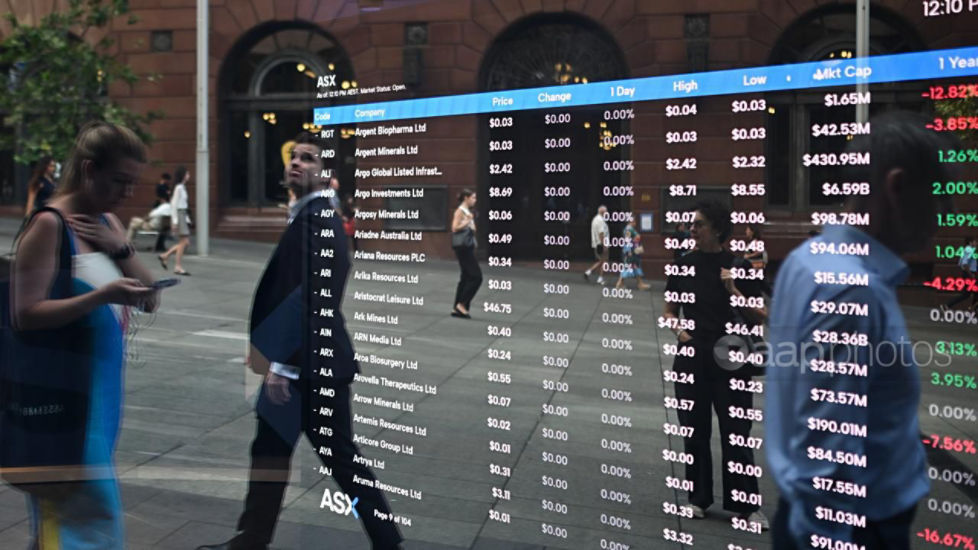
On global markets, South Korea's Kospi jumped 6.6% following SK Hynix's leap. Japan's Nikkei 225 rose 1.1%, while France's CAC 40 edged down by less than 0.1%.