Underlying inflation holds at 3.6%
The rise in headline inflation was not matched by an increase in the ABS measure of underlying price pressures.
Annual trimmed mean inflation remained at 3.6% for a third consecutive month, while monthly trimmed mean inflation slowed to 0.2% from 0.5% in July.
Trimmed mean inflation removes some of the largest price rises and falls to provide a clearer picture of underlying inflation.
Automotive fuel and electricity were both excluded from the trimmed mean calculation in August and were key drivers of the gap between headline and underlying inflation.
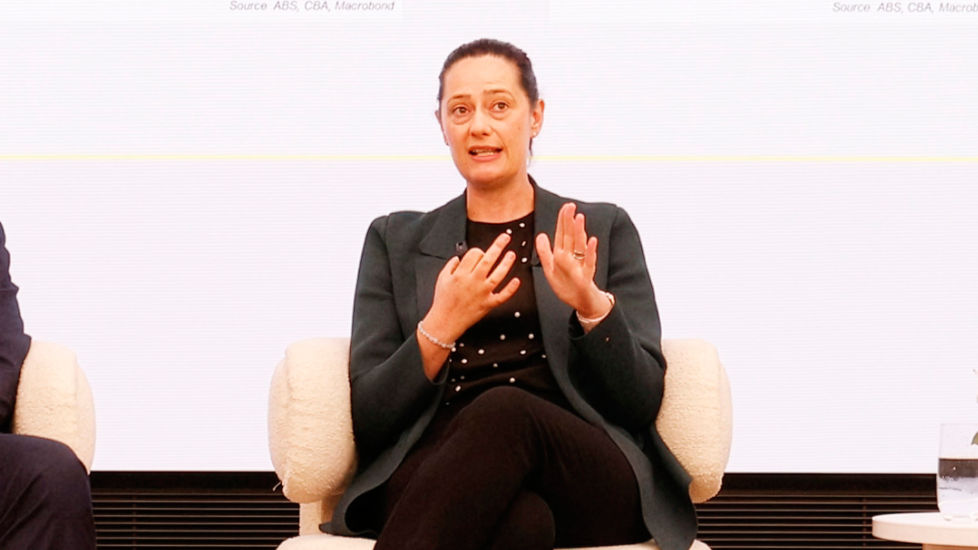
CommBank Senior Economist Trent Saunders said the August figures showed some of July’s unexpected inflation strength had unwound, but underlying inflation remained high.
“The August CPI confirmed our forecast for some of the strength in July to unwind, but for underlying inflation to remain elevated,” Saunders said.
Market services inflation, which CommBank uses as an indicator of persistent price pressures, remained at 4.1% over the year. Saunders said this suggested some of the increase seen in July had carried into August.
CBA estimates the first two months of the September quarter are consistent with quarterly trimmed mean inflation of around 1.0%, with risks around the September result tilted towards a slightly higher outcome.
What does it mean for interest rates?
The latest figures were released a day after the Reserve Bank of Australia (RBA) raised the official cash rate by 25 basis points to 4.60%, its fourth increase of 2026.
The RBA said on Tuesday that recent inflation outcomes had been stronger than expected and that some of the upside risks to inflation identified at its previous meeting were materialising.
Higher global energy prices were among the pressures cited by the RBA in its decision.
The Board also left open the possibility of further rate increases if needed to bring inflation sustainably back towards its 2% to 3% target range.
The August CPI figures were not available when the Board made its September decision and will now form part of the economic data considered ahead of its next meeting.
Saunders said the November RBA meeting remained “live” given the continued strength in underlying inflation, although Tuesday’s comments from RBA Governor Michele Bullock suggested the hurdle for another increase had risen.
“For now, we continue to expect the RBA to leave the cash rate unchanged in November,” Saunders said.
He said the decision remained finely balanced and would depend on the full September-quarter inflation figures, labour market conditions, household spending and developments in the conflict in Iran.