Many executives picture a cyber attack as a hacker forcing a way through a firewall. The reality is that often the attacker simply signs in with a stolen login.
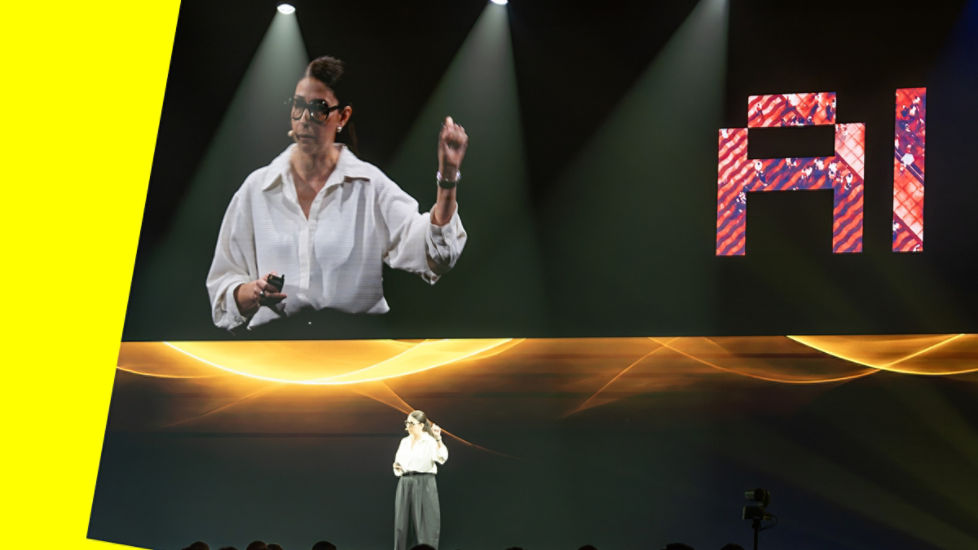
"The uncomfortable truth is still that most cyber criminals don't break in. They log on," says Nicola Nicol, Chief Security Officer, CommBank. She was speaking at the second CommBank Accelerate AI Summit in Sydney held on 18 November 2026.
Information from the Australian Signals Directorate (ASD), the federal government's cyber security agency, backs her up. In its Annual Cyber Threat Report 2025-261, compromised accounts and credentials were among the most frequently reported types of incident.
Old threats, moving faster
AI capabilities have not introduced new cyber threats, but they have amplified existing ones, according to the ASD.
The ASD received more than 82,000 cybercrime reports in the 2025-26 financial year, about one every six minutes. The average cost reported by a business was $93,500, up 16%. Medium-sized businesses saw the biggest rise, with their average cost up 45% to $141,300.
The ASD says criminals "have weaponised empathy, urgency and trust to trick individuals or staff into circumventing regular processes" through the manipulation of people, rather than systems, commonly known as ‘social engineering’. It adds: "Anyone can be a target of social engineering, from an employee to the CEO."
AI makes the trick harder to spot. In CommBank research2 published in January, 89% of Australians were at least somewhat confident they could spot an AI-generated scam. When tested, they recognised real images from AI-made ones only 42% of the time. A random guess would be right half the time.
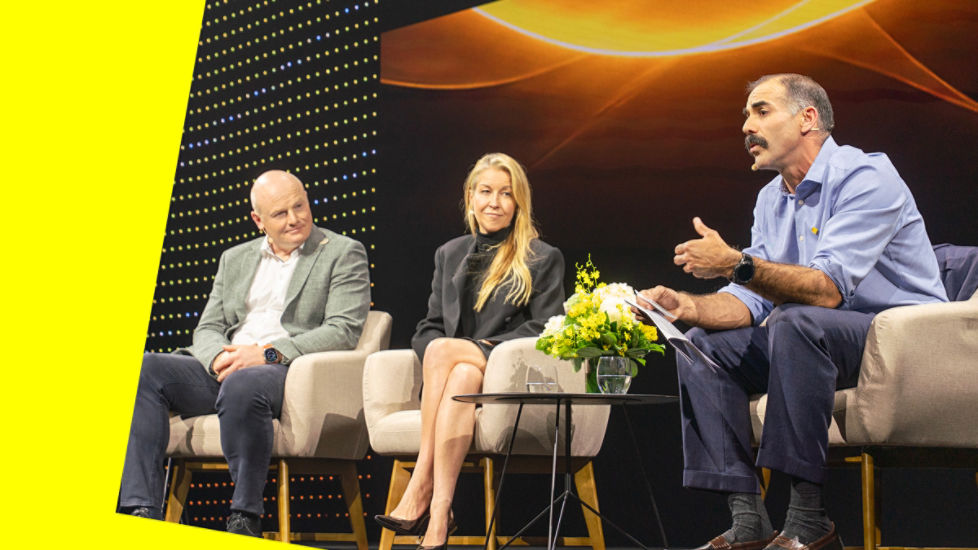
"Humans tend to trust faces, voices and familiar people. Deepfakes take advantage of that instinct," says Professor Monica Whitty, Professor of Human Factors in Cyber Security at Monash University.
Staff education has to be ongoing, because a once-a-year course isn't enough. Researchers at UC San Diego3 tested more than 19,500 staff at UC San Diego Health over eight months. They found annual awareness training made little difference to who clicked on a fake phishing email.
"Anyone can be a target of social engineering, from an employee to the CEO." – the Australian Signals Directorate, Annual Cyber Threat Report 2025-26