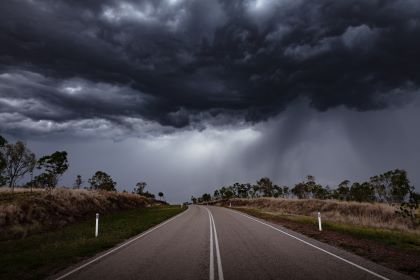
Summer in Australia has a way of keeping us on our toes. One week it’s sunshine and barbecues, the next could be smoke, storms or flash floods. While we can’t control the weather, we can control how prepared we are, which can make all the difference to your safety – and your finances.
“Preparation for any potential shock event that can affect financial wellbeing is valuable, and disasters are no different,” says Nathan Robertson-Ball, sustainability and risk expert at CommBank.
The real cost of disasters often comes later, when repairs, temporary housing and lost income start to add up.
Check your insurance cover
Before the mercury rises, take the time to review your insurance. “One of the most common misconceptions is that home insurance covers everything but that’s not always the case,” says Robertson-Ball. “Flood cover, for instance, isn’t always standard – especially in high-risk areas.” He recommends reviewing your policy each year and updating your insurer on any changes, particularly after renovations or major purchases. “Check your sum insured to make sure it reflects your current home and contents.” And keep digital copies of receipts and valuables to help make future claims easier.
Prepare your home for disasters
A few low-cost steps can help protect your home and your wallet. Clean gutters, trim overhanging branches and secure outdoor furniture before the weather turns. If you live in bushfire-prone areas, install metal gutter guards and repair any damaged or missing tiles to reduce the risk of sparks penetrating your home. “Check your local fire safety service for more information,” says Robertson-Ball. And to prepare for the heat, Sweltering Cities have created guides and action plans you can put in place to stay safe and comfortable.
Plan ahead financially
"Building financial resilience is part of building climate resilience," says Robertson-Ball. Reviewing your insurance excess and knowing what disaster-relief support is available are all smart moves. Ben Brazier, executive manager of environmental and social strategy at CommBank, adds: “An emergency buffer can also help you avoid debt if something happens.” CommBank has also developed a Disaster Resilience Toolkit to help customers and communities prepare for and respond to natural disasters and climate-related emergencies.