Help & support
If you think you've been scammed, message us in the CommBank app or call us on 13 2221.
If you're a business customer, call 13 1998 and select option 4.
Three simple steps to help protect yourself from scams.
If you’ve shared any personal or banking details, change your passwords immediately and message us in the CommBank app or call 13 2221.
Help protect yourself with our security features and tools designed to help you detect and prevent scams.
Extra checks for first-time payments
Get alerts if a first-time payment looks unusual, thanks to NameCheck and Confirmation of Payee.
Verify CommBank calls instantly
Received a call from us? CallerCheck pops up as a security notification in your CommBank app so you know it's us.
Confirm your identity using CustomerCheck
CustomerCheck helps us securely confirm your identity through a notification in your CommBank app.
Stay protected with CommBank notifications
Turn on CommBank app notifications for alerts so you can act fast if something doesn't look right.
Extra security when you log onto NetBank
Multi-factor authentication adds an additional layer of protection to help keep your banking secure.
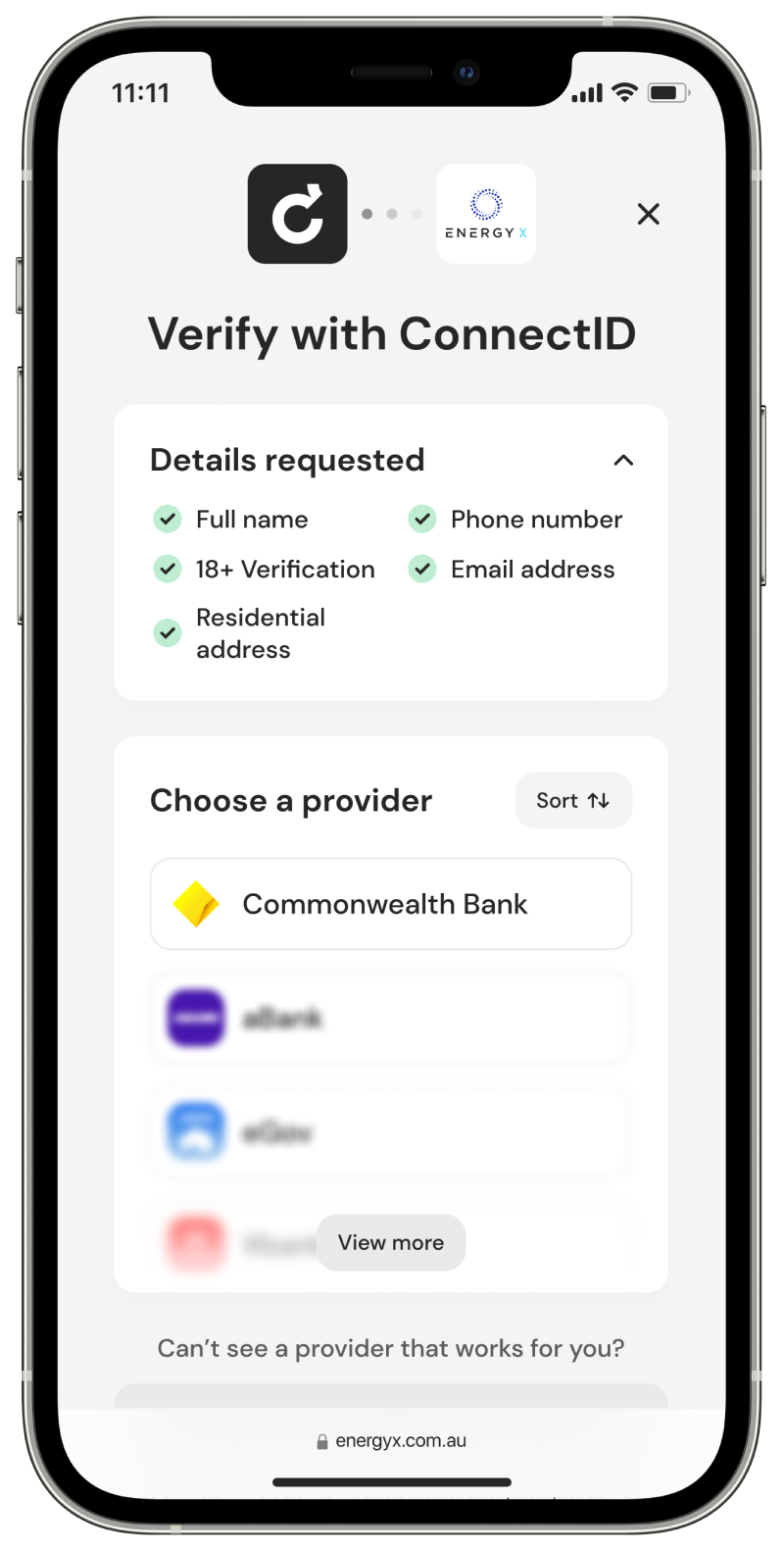
ConnectID - simple, secure identity verification
With your consent, ConnectID® 1 lets you securely prove your identity with approved businesses using the CommBank app.
✘ Share your NetBank Client ID, NetCode or passwords
✘ Share your card details including your PIN, expiry date or CVC
✘ Withdraw cash, transfer money or buy gift cards
✘ Log on to your account using a link from an email or SMS
✘ Move money to a “safe” account
✘ Help us catch cyber criminals
✘ Share your screen or download remote access software
If you received a suspicious message and haven’t clicked on it, you can report it by sending a screenshot or copy to hoax@cba.com.au
Scam or not? It can be hard to tell. Watch Jimmy Rees show how sharing and talking about scams could help stop a scam before it’s too late.
A refreshed NetBank logon page is coming soon. As changes roll out, stay alert to scammers impersonating CommBank.
EOFY can bring paperwork and a whole lot of stress. Don't add being scammed to the mix. Here are some signs to look out for.
A simple conversation about scams using this guide could help you uncover red flags you might otherwise miss and stop a scam in its tracks.
There may be a time when we will reach out to you to confirm information on your account or your identity.
Having accurate and up-to-date details is part of our ‘Know Your Customer (KYC) requirements. It also helps us protect you from fraud, as we can contact you immediately if we detect any suspicious activity.
If you’re ever concerned whether the person you’re speaking to is legitimately from CommBank, you can use the CallerCheck feature in the CommBank app to verify your caller’s identity.
Regardless of whether the caller has been identified, we will never ask you to transfer funds, share your screen or reveal your passwords.
If you think you've been scammed, stop communicating with the suspected scammer and don't send any more money or personal information. If your accounts or cards may be affected, message us in the CommBank app at any time, or call 13 2221. We'll explain the next steps and help secure your banking where possible.
In the meantime, you can change any passwords that may have been compromised and monitor your accounts for unusual activity.
Report a scam in the CommBank app 24/7 or call us on 13 2221.
If you've received a suspicious email or text message claiming to be from CommBank, don't click any links or reply to the sender. Reporting scams helps us investigate suspicious activity and warn other customers.
If you've shared your banking details, message us in the CommBank app at any time or call 13 2221.
Change any affected passwords or PINs, review recent transactions and stay alert for follow-up contact from scammers claiming to be from a bank, government agency or technology provider.
Before sending money, verify that the payment request is genuine. Scammers often create a sense of urgency and may pretend to be a business, government agency, bank, family member or supplier to pressure you into acting quickly.
To help protect yourself:
Remember, once money is sent, it can be difficult, or even impossible, to recover. Taking a few minutes to independently verify a payment request could help protect you from scams and fraud.
Yes. Message us in the CommBank app or call 13 2221 immediately if you've sent money to a scammer.
We can't guarantee that funds sent to a scammer can be recovered, but reporting the scam as soon as possible may help us investigate the payment and take appropriate action. We'll also help secure your accounts and explain what to do next.
Behavioural information is data about how a person typically uses and interacts with their device. This can include patterns in how they move, behave or navigate while using it.
We use this information to better understand a customer's usual device activity. If activity appears unusual or doesn't match these patterns, it may indicate that an account has been compromised or that a device is being used without the customer's authorisation.
Common scams include:
Scammers often pretend to be from banks, government agencies, technology companies or trusted businesses. They may try to get you to share personal information, give access to a device or send money. Scam tactics change regularly, so it's important to know some of the latest warning signs.
The safest way to verify a text message is to contact CommBank using a trusted channel, rather than by replying to the message or using its links. Open the CommBank app and message us, or call 13 2221.
Warning signs that a text message may be a scam include:
Scam emails often:
Be cautious of unexpected emails, unusual sender addresses, spelling mistakes or requests that seem out of character. If you're unsure whether an email is legitimate, don't click any links. Instead, go directly to the organisation's official website or use a trusted contact method to verify the request.
Phishing is a scam where a person pretends to be a trusted organisation to trick you into sharing personal information, passwords, PINs, security codes or other bank details.
Phishing attempts can arrive through emails, text messages or social media messages. The goal is often to steal information, access accounts or convince people to make payments. Knowing the warning signs can help reduce the risk of scams, fraud and identity theft.
Anyone can be targeted by a scam. Scammers rely on psychology, often creating urgency, fear, excitement or trust to influence your decision making. Often, the most effective protection is taking time to stop, think and verify before acting.
If someone is pressuring you to make a payment, share personal information or act immediately, take a step back before responding. Creating a sense of urgency is a common tactic used by scammers to stop people from thinking clearly or verifying a request.
Before taking any action, independently verify the request using a trusted phone number, website or contact method. If you're unsure, stop, check and reject.
Ceba can help you lock your card or securely connect you to a specialist in the CommBank app.
Fast-track your call, see expected wait times and connect with a specialist in the CommBank app.
Send us a copy or screenshot if you receive a hoax email or SMS.
1 ConnectID is a registered trade mark of ConnectID Pty Ltd ABN 80 648 970 101.


?$W780_H416$&fit=crop)